English| USD
Suggested for you
More currencies
Choose a language
Tulum's coastline holds marine ecosystems that span from shallow Caribbean reef systems to freshwater-fed cenotes a few kilometers inland. This guide identifies the locations where these ecosystems are accessible, what lives in them, and the logistics of reaching each site.
Quick answer
The best snorkeling spots Tulum include Akumal Bay for green sea turtles in seagrass beds three meters deep, the house reef at Xpu-Há for elkhorn coral and parrotfish, Gran Cenote for freshwater visibility exceeding thirty meters, and Casa Cenote where Caribbean water meets underground rivers. Each site requires different access protocols—Akumal now limits daily snorkelers to four hundred through a reservation system, while the cenotes charge individual entry fees between 200 and 350 MXN.
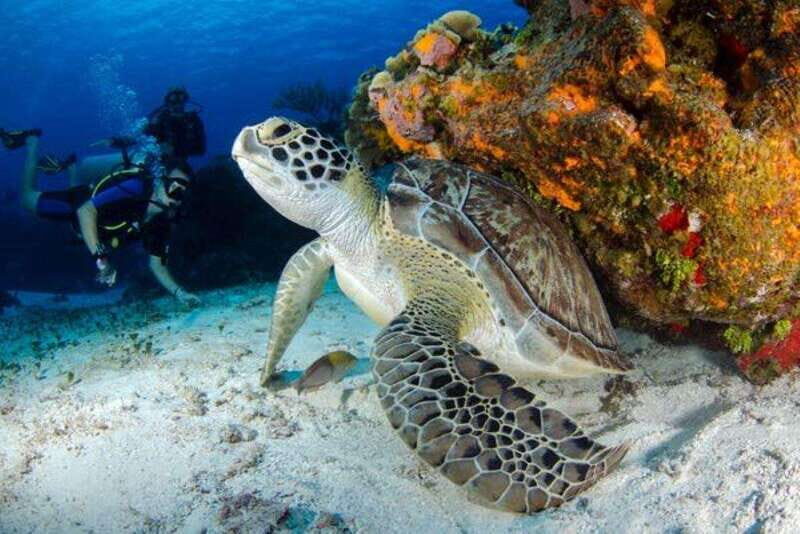
Akumal Bay hosts one of the Riviera Maya's densest populations of green sea turtles—researchers counted over sixty individuals in a 2025 census—but the site's popularity triggered carrying-capacity restrictions that now govern every visit. Snorkelers must book through the community cooperative, wear reef-safe sunscreen verified at the entry checkpoint, and remain in designated swim lanes marked by surface buoys. The turtles graze on Thalassia seagrass beds between zero and five meters deep, often surfacing within arm's reach. Most sightings occur in the northern half of the bay before 11:00, when tour groups saturate the southern channels. The house reef at Xpu-Há beach stretches parallel to shore fifty meters out, where the sand shelf drops to eight meters and elkhorn coral colonies form ridges visible from the surface. Parrotfish, sergeant majors, and schools of blue tang move through the structure in predictable patterns tied to tidal current. Entry requires payment at the beach club that controls access—rates vary by season but average 150 MXN—and the reef is clearest during the two hours before and after slack tide. Snorkeling Tulum's ocean sites means understanding that visibility drops during south winds, which suspend sediment and reduce clarity to under three meters within hours. Gran Cenote and Casa Cenote represent the other category: flooded limestone cave systems where underground rivers surface. Gran Cenote offers visibility exceeding thirty meters, resident freshwater turtles, and light columns that penetrate the cavern zone at midday. The entrance fee is 500 MXN as of 2026, and snorkelers share the space with cave divers using the same access points. Casa Cenote sits where the aquifer meets the Caribbean—salinity gradients create a visible halocline at four meters, and tarpon gather in the brackish mixing zone. The cenote charges 200 MXN and stays open until 17:00, but afternoon rains cloud the water by mid-summer. Top snorkeling sites in Tulum require advance logistics. Akumal's reservation portal opens seven days ahead and sells out by 09:00 on weekends. The cenotes accept walk-ins but reach capacity by noon during high season. Xpu-Há has no reservation system—access depends on arriving before the beach clubs close their parking lots, typically around 16:00. Each location enforces different rules about fins, life jackets, and guide requirements, and none of these policies appear on a central platform.
“Akumal's community cooperative now limits daily snorkelers to four hundred through a reservation system that opens seven days in advance.”
The best arrival window is 08:00–10:00 to avoid mid-day crowds and peak heat. Planning your visit during these morning hours ensures calmer water conditions and a more manageable experience at the reef.
Lower humidity, temperatures 24°C–28°C. This period offers pleasant conditions for snorkeling despite occasional northern winds.
Warm and sunny, temperatures 27°C–32°C. Expect busy waters and clearer visibility during these drier months.
Hot and humid, temperatures 28°C–33°C. Frequent short rain showers occur, though water remains warm for extended snorkeling sessions.
—
Early arrivals effectively bypass the heaviest congestion from group tours arriving later in the day.
Verdict: For the most favorable conditions, aim for a weekday arrival between 08:00–10:00 during the months of April or October.
The snorkeling sites at Tulum Reef are open daily to accommodate visitors planning their excursions. The site maintains consistent operating hours throughout the week.
The snorkeling spots at Tulum Reef are accessed through the Zona Arqueologica Tulum. The site is located along the coastal road, accessible via private vehicle, taxi, or local transport from the town center.
Follow Carretera Tulum-Boca Paila toward Zona Arqueologica Tulum
Request transport to the main entrance of Zona Arqueologica Tulum
Walk from the Tulum beach hotel zone to the archaeological site entrance
The official address is Zona Arqueologica Tulum, Zona Hotelera, 77760 Tulum, Q.R., Mexico. Plan to reach the site during the recommended arrival window of 08:00–10:00 to navigate entry logistics efficiently.
Tulum's coral reefs sit within protected marine zones adjacent to archaeological sites, requiring careful conduct to preserve both ecosystems and cultural heritage.
A few decisions made in advance determine whether your reef time is spent swimming or sorting out logistics on the beach.
Everything you need to know about best snorkeling spots tulum
The Tulum Reef provides a unique marine environment located directly off the coast of the archaeological site, often cited among the best snorkeling spots tulum. Many visitors combine their exploration of coastal landmarks with guided tours of the protected coral formations. Local guides help identify diverse tropical fish and sea turtles frequenting these waters. Planning your route helps ensure you visit the best snorkeling spots tulum during favorable current conditions.
Access to the coastal waters requires navigating the archaeological site, and most visitors utilize authorized guides to reach the reef safely. While you can view the shoreline, organized snorkeling in Tulum tours provide the necessary equipment and boat access to reach the coral beds. This ensures you comply with local conservation guidelines while exploring the area.
To avoid peak heat and large crowds, the best arrival window is 08:00–17:00, specifically aiming for the 08:00–10:00 morning block. Arriving early allows you to experience the marine life in calmer conditions before the afternoon winds increase. This timing is widely considered the best approach to enjoying the best snorkeling spots tulum in comfort.
Yes, all foreign visitors must pay an entrance fee of 265 MXN to access the archaeological zone that provides gateway access to the beach and reef. Ensure you have the exact currency or local payment method ready at the entry point. This fee supports the preservation of the site and the surrounding environment.
The shallow coastal waters can be accessible for families, though strong currents near the Tulum Reef often require participants to be confident swimmers. Always verify safety conditions with local providers before bringing children to the water. Choosing a reputable boat excursion is the most reliable way to enjoy the best snorkeling spots tulum with younger family members.
A frequent mistake is underestimating the distance of the reef from the shore or ignoring official flag warnings regarding water conditions. Many visitors also forget that the archaeological site has specific hours of 08:00–17:00 daily, which limits late-afternoon water activities. Always check the official site at https://www.snorkeltulum.com for real-time updates before departing.