English| USD
Suggested for you
More currencies
Choose a language
Tulum is known for its cenotes and the cliff-top ruins, which leaves its reef quietly underrated. The coral shelf off Tulum Beach lies within swimming distance of the sand, inside the protected Parque del Jaguar. What follows sets out how good the snorkeling really is, when the water turns clear, and what shapes a visit.
Quick answer
Yes. Tulum Reef delivers genuinely good shore snorkeling: a shallow stretch of the Mesoamerican Barrier Reef sits a short swim off Tulum Beach, accessed through Parque del Jaguar for a 22 USD entry fee covering beach and reef. Clarity is the caveat. Morning water is calmer, and wind or post-storm swell can cloud visibility for a day.
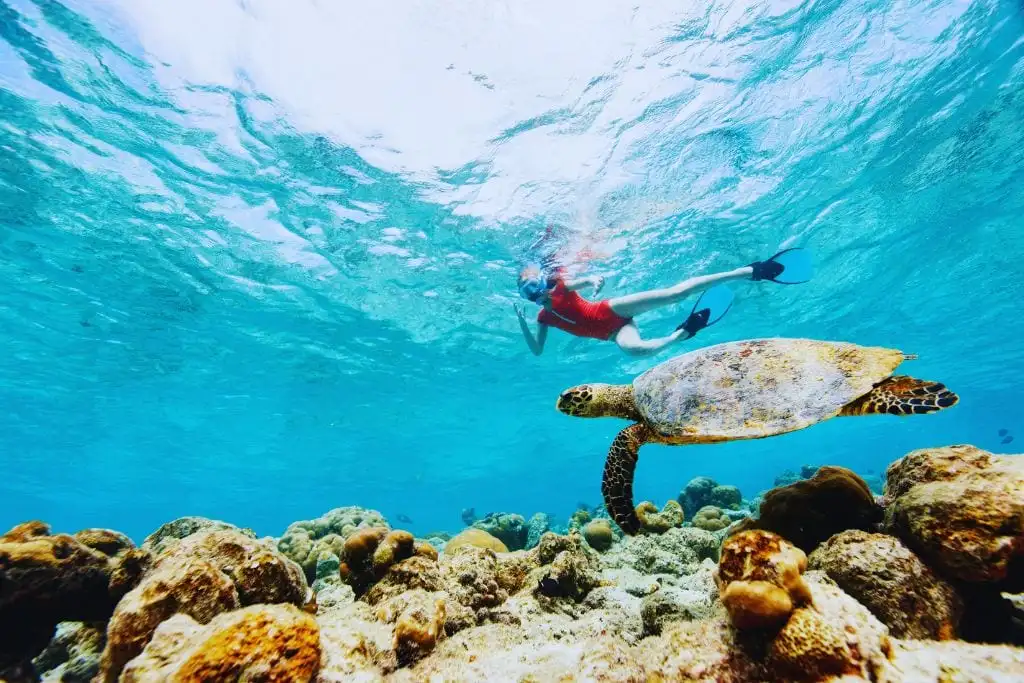
The reef off Tulum Beach belongs to the Mesoamerican Barrier Reef, the second-largest coral system on the planet, and its inner edge sits close enough to shore that swimmers reach it without a boat. That proximity is why the question is there good snorkeling in Tulum has an unusually practical answer. The structure here is a fringing shelf, not a deep wall. Water over the nearshore patches often runs two to four metres. Snorkelers drift above sea fans, brain coral and scattered elkhorn stands, with parrotfish grazing beneath them. Expectations decide whether the reef satisfies. This is not Cozumel, and the shore reef does not match the coral density of a drift dive at Palancar. What Tulum offers instead is access. Entry is made from the sand inside Parque del Jaguar, the protected stretch of Quintana Roo coastline that also carries the Maya archaeological zone on the cliff above. Seagrass meadows run between the beach and the coral, and green turtles feed in them, which is why turtle sightings are routine here and at nearby Akumal. Visibility is the variable, not the marine life. Wind builds chop, chop lifts sand, and suspended sand flattens the view. Season shapes the rest. October sits at the tail of the rainy season, when a passing system can cloud the water for a day and sargassum drift can crowd the sand. Winter nortes bring wind from the north. Late spring tends to produce the flattest surface. Anyone weighing a Tulum Reef snorkeling tour against an independent swim should read the forecast rather than the calendar. Options exist when the sea is churned. Boat operators work deeper sections of the Great Maya Reef offshore, and cenote snorkeling inland trades coral for freshwater caverns and shafts of light. Guided esnórquel en Tulum outings usually supply mask, fins and a flotation vest, which matters inside a marine protected area where standing on coral is prohibited. The honest summary for most visitors is this: is there good snorkeling in Tulum, yes, provided the morning is calm and the reef is understood as a shallow shelf rather than a wall.
“Visibility is the variable at Tulum Reef, not the marine life.”
Tulum Reef is accessible daily to visitors looking to explore the local marine environment. The site maintains consistent operational hours throughout the week.
Tulum Reef is accessed via the designated entrance at Parque del Jaguar, located along the Tulum Beach road. Visitors should plan to reach this specific entry point to access the beach and authorized snorkeling departure areas.
Follow Carretera Tulum-Boca Paila until reaching the Parque del Jaguar access zone
Take a local taxi from Tulum Pueblo center to the Parque del Jaguar entrance
Walk from the Tulum hotel zone to the main Parque del Jaguar gate
Arrive between 09:00 and 11:00 to utilize the area when the water conditions are at their best. Ensure you are heading directly to the official Parque del Jaguar gates at Tulum Beach to confirm access.
Reef entry at Parque del Jaguar rewards a little preparation, so work through these steps from the weeks before your visit down to the walk to the water.
Everything you need to know about is there good snorkeling in tulum
Yes, there is good snorkeling in tulum, particularly within the protected areas of the reef where you can observe vibrant coral formations and various tropical fish species. The underwater visibility often remains high in these coastal waters, making it a popular destination for aquatic exploration. Engaging with local marine life requires respecting conservation guidelines to protect the fragile ecosystem. Visitors often wonder if there is good snorkeling in tulum throughout the year, and while weather plays a role, the reef remains accessible daily.
The best arrival window is 09:00–11:00. During these hours, morning waters are typically calmer and clearer before the afternoon wind picks up, which can reduce visibility and increase surface chop. Planning your arrival early helps you avoid the largest crowds while ensuring better conditions for observing marine life.
Yes, an entrance fee of 22 USD is required to access the area. This is the Jaguar Park entry fee, which is mandatory for beach and reef access. Make sure to have this amount ready upon arrival to facilitate your entry into the park.
Beginners often find that there is good snorkeling in tulum when choosing guided options that provide safety equipment and local expertise. Shallow areas near the shore allow newcomers to practice in a controlled environment before exploring deeper sections of the reef. Always assess your swimming ability and sea conditions before entering the water.
For a comfortable visit, consider bringing eco-friendly sunscreen, a high-quality mask, and a snorkel. Protecting your skin and the reef is vital, so ensure any products used are biodegradable to prevent chemical damage to the coral. Bringing a waterproof camera can also help you capture the underwater scenery effectively.
While many prefer the morning, some find there is good snorkeling in tulum during later hours, though surface conditions can change. If you visit later in the day, check local reports for wind speeds and water clarity updates. The park remains open until 17:00, providing flexibility for afternoon visits if conditions remain favorable.
Many visitors choose to join organized tours to reach the best spots along the Tulum Reef. While we do not provide direct bookings here, professional guides can enhance your experience by identifying hidden sea life and ensuring safety throughout the activity. Inquiring with local operators upon arrival or through your accommodation can help you find suitable options for your skill level.